

Siphelele Nketo
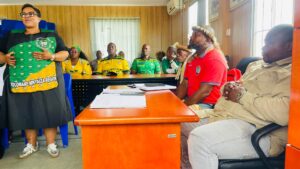
AFRICAN National Congress (ANC) members in the Tolomane Mnyayiza region in the South Coast area of KwaZulu-Natal visited the KwaFodo traditional authority in Harding on September 23 to strengthen relations with traditional leadership. The visit by the Umuziwabantu local election team of ANC members introduced ANC candidates to Inkosi Yesizwe saKwaFodo ahead of the November 4 polls. At the gathering, the ANC’s regional task team member and Umuziwabantu ANC sub-region local election team coordinator Matho Shozi said that the ANC’s relationship with Amakhosi extends beyond elections.
“Our relationship with Amakhosi is rooted in the history of the liberation movement. Traditional leaders played an important role in the struggle for liberation and remain key partners in advancing development,” he said, adding that the ANC’s message to all candidates is clear: once in office, they must work closely with Amakhosi and iziNduna.
Shozi called for all candidates to remain accessible to communities and ensure that the priorities of the people translate into meaningful development. Inkosi Fodo reflected on the long-standing relationship between traditional authority and the ANC and appreciated the ANC for coming before the traditional authority to introduce the candidates.
“Over the years, we have enjoyed a constructive relationship and have seen the value of working together. We trust that, once elected, these ANC candidates will continue that tradition, remain close to communities and work with traditional leadership to advance development and opportunities that improve people’s lives,” Inkosi Fodo said.
The ANC explained that engagement with the traditional authority forms part of the broader programme through which ANC candidates are being introduced to communities and recognised community institutions ahead of elections. The ANC Tolomane Mnyayiza region also reaffirmed its commitment to sustain constructive relations with Amakhosi and traditional councils across the region, and to strengthen cooperation between traditional leadership and local government to address community priorities, advance rural development and improve the lives of people.