








Siphelele Nketo
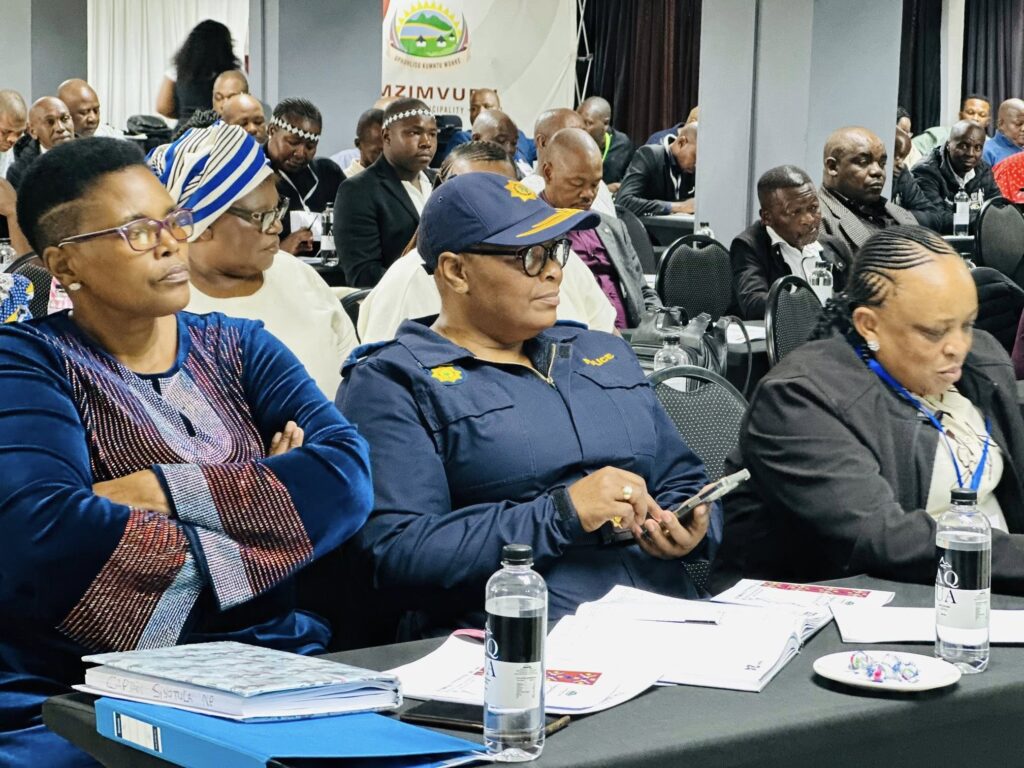
A TWO-day summit organised by the Umzimvubu Local Municipality through the office of the speaker recently highlighted the importance of collaboration between local government and traditional leaders.
The Traditional Leaders’ Summit, from April 23-24, brought together representatives from all nine traditional councils within the Umzimvubu jurisdiction.
The summit served as a platform to strengthen collaboration between traditional leadership and the municipality, focusing on practical solutions to development. It provided a platform for frank and constructive engagement on governance and development matters. Land and rural development featured among discussions as speakers mentioned the importance of land for development opportunities.
Deliberations also covered ward delimitation processes and the determination of municipal boundaries.
The summit further addressed plans ahead of the 2026 winter initiation season, highlighting the importance of coordinated planning, adherence to safety standards and preservation of dignity.
Umzimvubu Local Municipality mayor Zukiswa Ndevu said that resolutions and outcomes from the summit will be formally documented in a comprehensive report.
Tsileng Sobuthongo, the mayor in the Alfred Nzo District Municipality, highlighted the importance of cohesive governance, emphasising that meaningful development in rural communities depends on partnerships between municipalities and traditional leadership structures. She also noted that strong cooperation between government and traditional leadership is essential to unlock meaningful development. She called for sustained collaboration that empowers communities, preserves cultural values and builds a foundation for long-term social and economic progress across the district.
The chairperson of Alfred Nzo Local House of Traditional Leaders Nkosi Jongilanga Sigcau outlined roles and responsibilities of traditional leaders on issues of development. He stressed the need for alignment and mutual respect to ensure effective and improved service delivery, especially in rural areas.


